A LoRa-based tracking system for fishery boats — built around a PCB we designed ourselves, for boats that spend most of their time well outside normal network coverage.
Fishery boats spend most of a trip well past the point where a mobile network reaches — which means the tracking systems most vessels rely on simply stop working once they're out far enough to actually need them. That gap was the brief: build something that keeps reporting a boat's position without depending on cellular infrastructure at all.
The Build
LoRa, and a PCB we etched ourselves
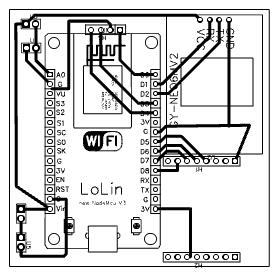
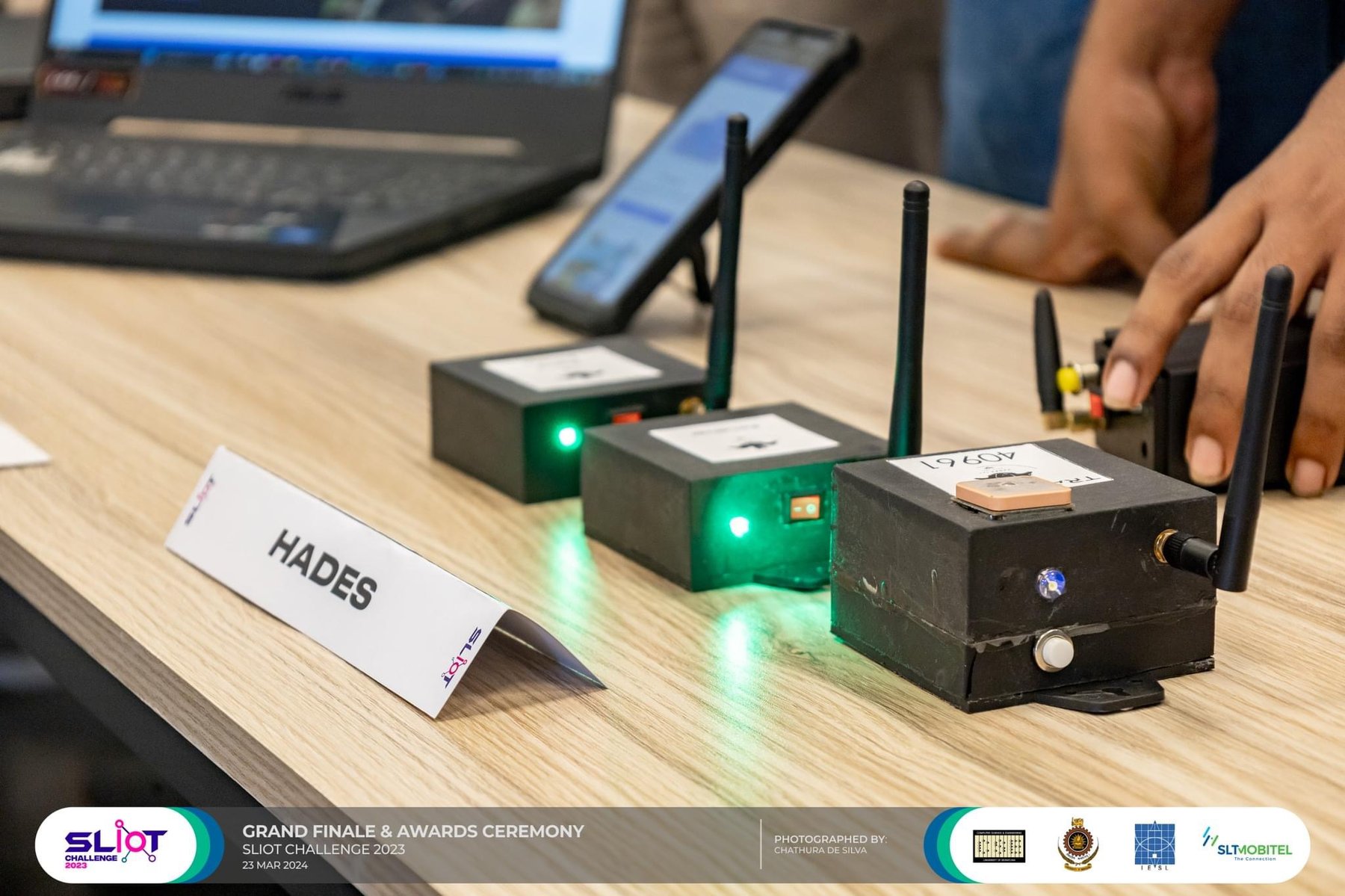
We built around LoRa — a radio protocol designed for exactly this trade-off: long range and low power, at the cost of bandwidth, which is fine when all you're sending is a position, not video. A transmitter unit on the boat streams location back to a base-station receiver on shore, over a link that doesn't care whether a cell tower is anywhere nearby. The board carrying it was ours — designed, laid out, and assembled by the team rather than bought off the shelf.
Loading 3D PCB CAD Model…
Custom 2-Layer Board · Team Hades
Drag to rotate 360° · Scroll to zoom
Hardware Stack
Inside the Controller
The tracking device is built around the LoLin NodeMCU V3, an ESP8266-based WiFi microcontroller that orchestrates all sensor data, LoRa radio communication, and GPS positioning.
LoRa SX1278 — 433 MHz Long-range sub-GHz transceiver Up to 10 km line-of-sight
Positioning
GPS NEO-6M UART interface at 9600 baud NMEA sentence parsing
Power
5V USB / 3.3V LDO Regulated supply for all modules Battery-ready design
Competition & Result
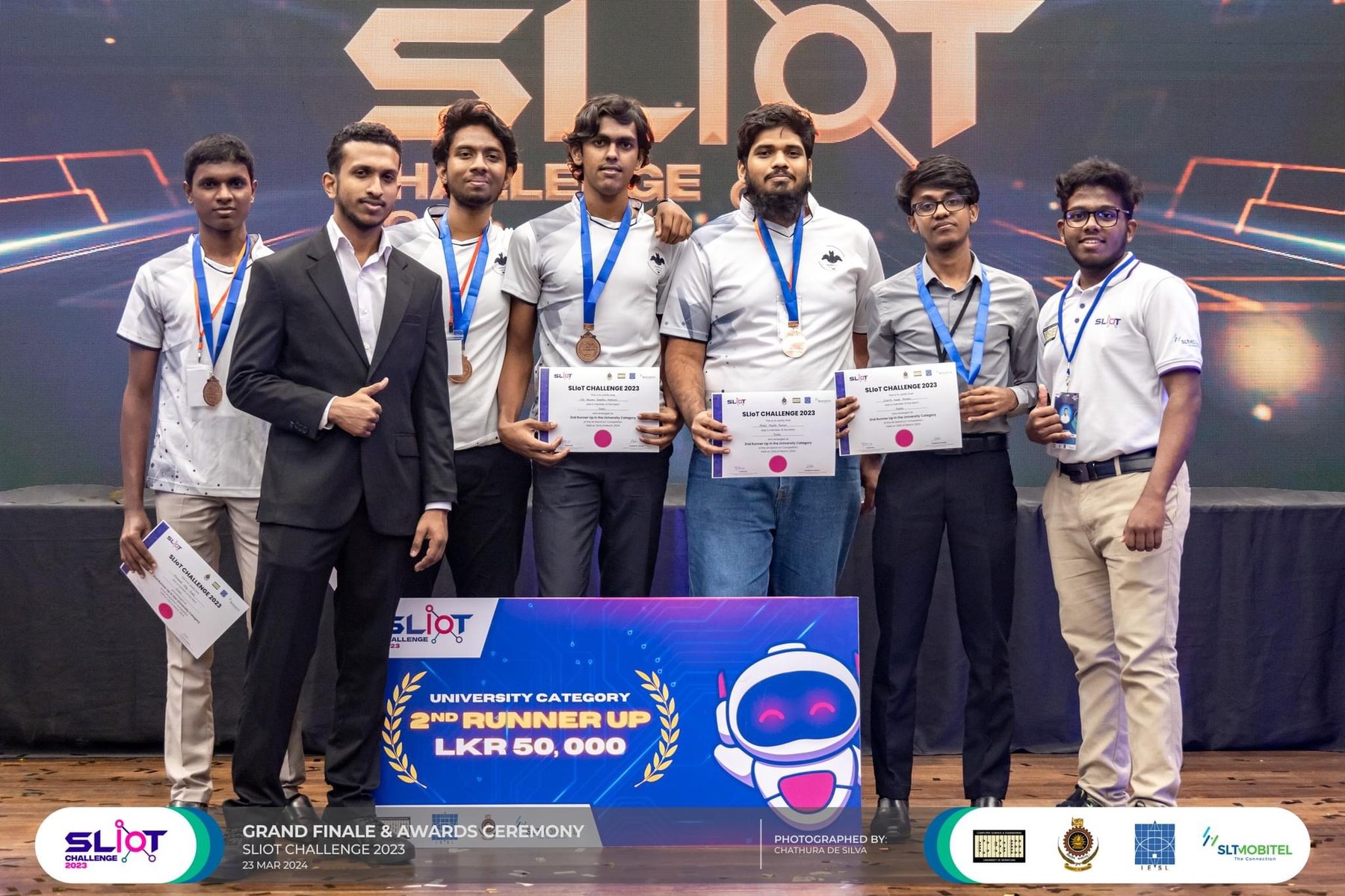
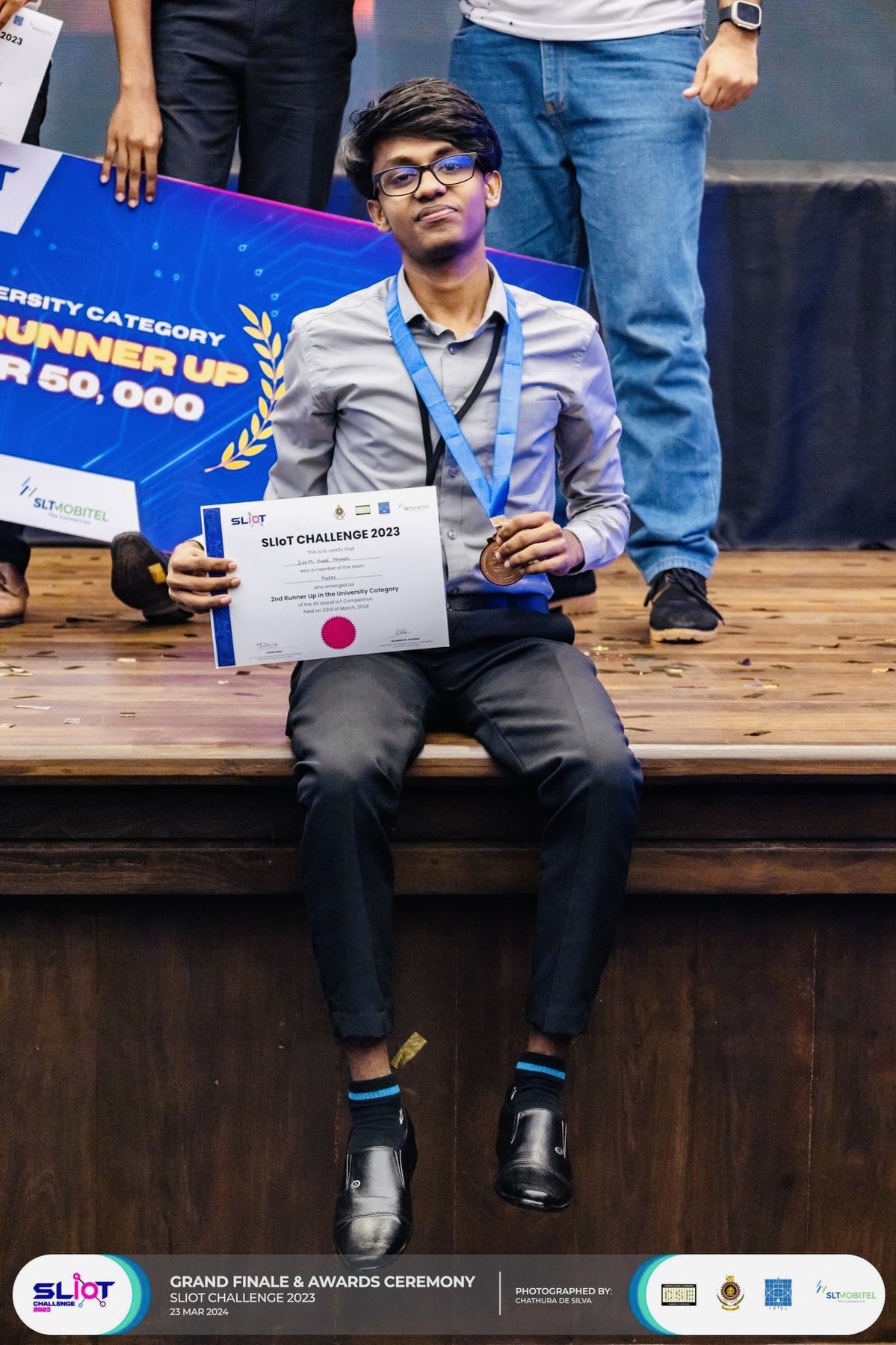
2nd Runner-up, University Category
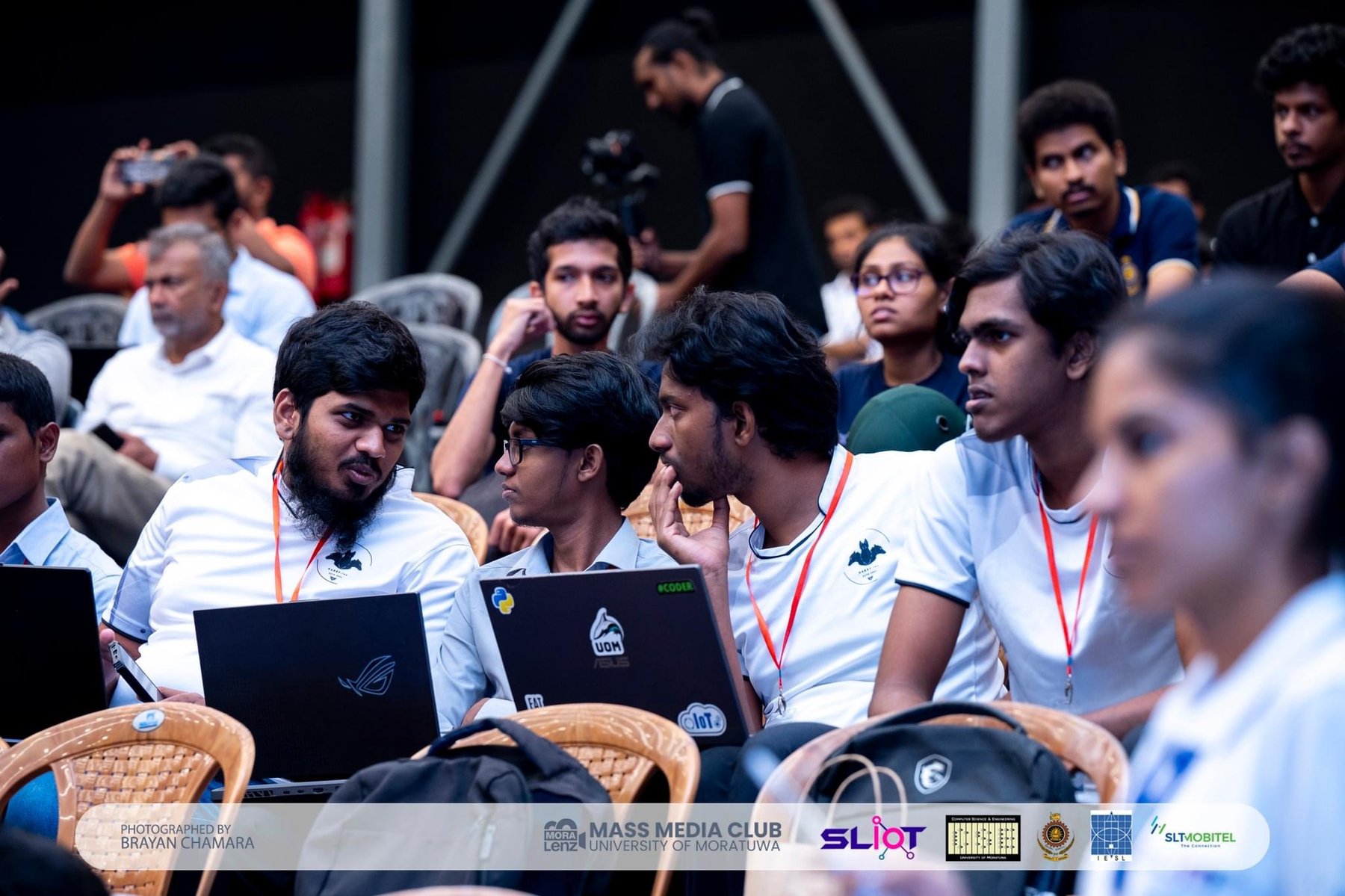
The build was entered into the SLIOT tournament, hosted at the University of Moratuwa, where it placed 2nd runner-up in the university category. Coverage of the event and the product came from the University of Moratuwa and SLTMobitel.
Team Hades — 2nd Runner-up Award Ceremony, University of Moratuwa
Leading the Team
Whiteboard to working hardware
This was the first time I took a project from a whiteboard idea through to working hardware, with a team depending on me to hold the schedule together — design, build, test, and present, on a competition clock rather than a semester one.